One number to dial
Bed bug calls across Syracuse go to one line.
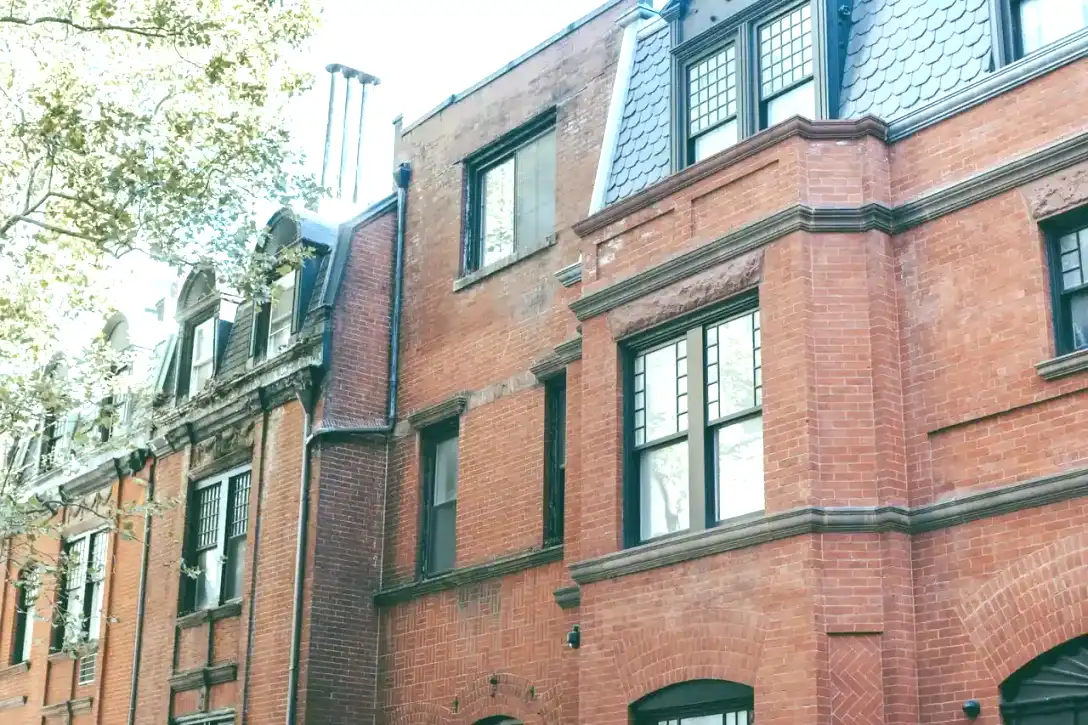
Strathmore is an official City of Syracuse neighborhood on the south side, and 97 percent of it sits in ZIP 13207, a ZIP it shares with Elmwood. If you think bed bugs have moved into a home there, the goal is to locate every place they shelter, not only to treat the bites you can see. This site takes your call and connects it to an independent local provider. Most first visits start at the bed and move out to couches, chairs and baseboards, and then the provider talks through heat, chemical or mixed treatment. Before you book, ask about prep, the expected timeline and the return check.
Bed bug calls across Syracuse go to one line.
Providers usually look before they price the work.
Each call reaches a provider that works in Syracuse.
Look up the firm and applicator in NYSPAD.
Strathmore and Elmwood are the two official City of Syracuse neighborhoods in ZIP 13207. The housing facts that matter for bed bugs are citywide ones: the median Syracuse home dates from 1948, roughly two in three housing units predate 1960, and renters live in about 58 percent of occupied homes (ACS 2024 5-year). Older rooms have more seams and gaps; rented and shared buildings mean more people and belongings moving through. None of that changes how bed bugs behave. The Onondaga County Health Department says they travel in bags and luggage and can find their way through walls, floors and ceilings, and once inside they gather near beds and couches. A provider usually works outward from where people sleep, checking the bed frame, mattress and nightstand before couches, closets and adjoining rooms, since a small infestation is easy to overlook. Heat, chemical products or both are picked to fit the floor plan, the clutter and how established the bugs are. Ask what the follow-up visit looks at.
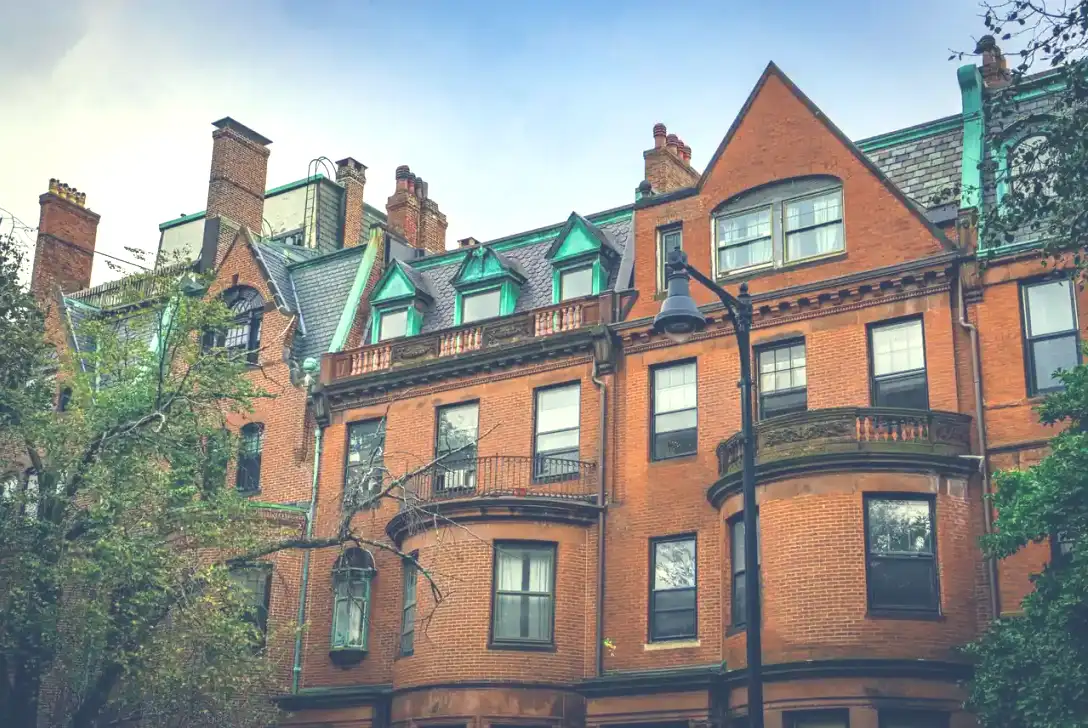
The right treatment for a Strathmore home turns on its layout and on how widely the infestation has spread. Sparsely furnished rooms let hot air circulate, so whole-home heat may be practical there. A unit crowded with boxes and stored furniture is harder to heat evenly, and room-by-room chemical work, perhaps after some sorting, can make more sense. The five services below are what a call can lead to. Whoever you are connected with should be able to say why one approach suits your rooms better than the others, and that answer also decides your preparation list.
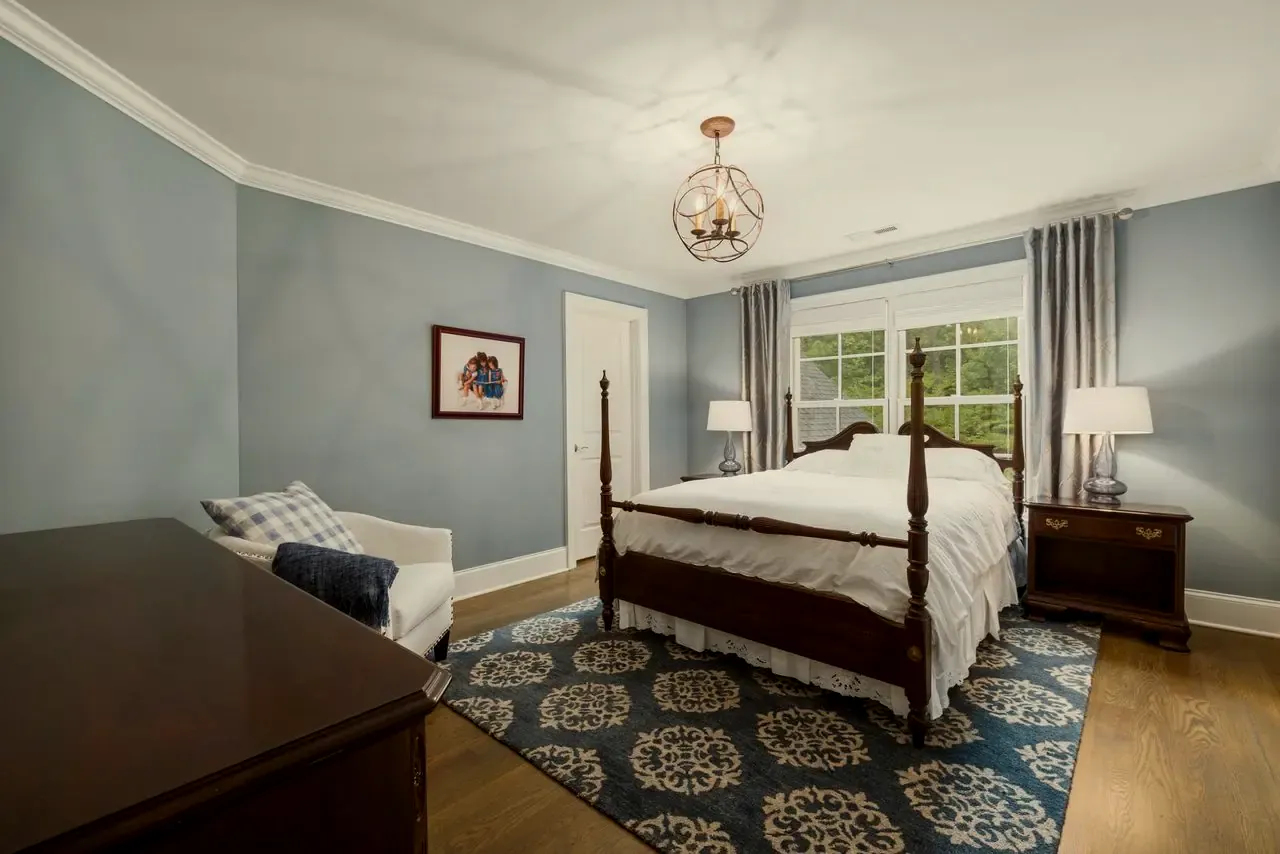
Expect a room-by-room search that starts at the bed: the mattress and box spring, the frame and headboard, then couches, baseboards, outlet covers and closet shelving. The provider hunts for live bugs, eggs, molted skins and dark spotting, and may raise the mattress or unscrew a cover plate to look behind it. If your Strathmore home shares walls with another unit, ask whether that unit will be checked, and get the findings and recommendation in writing.
Learn more →02In a heat treatment, a single room or the entire home is brought to a level that is lethal to bed bugs and eggs, and held there until even the coolest corners reach it. Probes go into cushions, closets and the corners where walls meet floors so the provider can watch those readings. Before heaters are switched on, items that heat can ruin have to leave the space: candles, medicines, aerosols, crayons and some electronics, for example. In Strathmore, as elsewhere, ask how long the job will run in your home and whether a residual product will be used alongside the heat.
Learn more →03Chemical treatment is the usual choice when heat is impractical. Along baseboards, inside wall voids and in cracks and seams, the provider applies residual and contact products. Because a single application can leave eggs alive, plan on a series of visits; the Onondaga County Health Department says it takes repeated treatments. New York's DEC certifies the applicators and registers the businesses, and the county recommends a licensed pest control operator with bed bug experience. Ask what goes in each room and when everyone can return.
Learn more →04Treating an apartment or rented unit in Syracuse means thinking past the single unit that reported it. Across the city, 54.6 percent of housing units share a building with at least one other unit, and the county health department notes bed bugs can find their way through walls, floors and ceilings. The provider will likely want entry to the units beside, over and under yours. New York Real Property Law Sec. 235-j requires a landlord who learns of an infestation to give written notice within 72 hours to tenants in those neighboring units, without naming the unit or tenant.
Learn more →05Return visits exist because some eggs outlast the first treatment. About two weeks on, once those eggs would have hatched, a provider typically comes back to recheck beds and seating, look at interceptor cups and treat anything new. The Onondaga County Health Department puts it plainly: there is no one-time quick fix. Ask when the visit is scheduled, whether the plan already covers it and what paperwork you will be given to keep.
Learn more →Treatment day goes smoothly when the groundwork is done early. Tell the provider who lives in the Strathmore home, when people are usually there, and whether a baby, a pet or someone sleeping days after a night shift needs somewhere else to be. Heating a house takes a lot of electricity, so ask whether the provider will use your power or bring a generator or distribution panel of its own. A chemical plan depends on you getting ready: launder and hot-dry the bedding, seal clean clothing in bags, empty the closet floors and ease furniture a few inches out from the walls. Ask for the prep sheet days ahead, and check which things should not be bagged, such as medication or important papers. New York's Department of Environmental Conservation registers pest control businesses and certifies applicators; ask for both numbers and check them in DEC's NYSPAD lookup. Before the provider leaves, request a dated record of what was used and in which rooms. Keep it; a buyer, tenant or landlord may ask about it one day.
Where homes are joined, the openings left for plumbing, wiring and outlets act as doorways for bed bugs, which the county health department says can get through walls, floors and ceilings. More than half of Syracuse housing units (54.6 percent) sit in multi-unit buildings of two units or more. Treat one side alone and the untreated side can resupply it a few weeks later. Find out which adjoining units the provider plans to inspect, and how activity will be monitored afterward.
Each move gives bed bugs a way to relocate with you. With about 58 percent of occupied Syracuse homes rented, someone is moving in or out somewhere in the city in every month, carrying boxes, bedding and furniture. A used mattress, couch or dresser is a well-known way in, and the county health department notes bed bugs also travel in bags and luggage. For landlords, a vacant unit is the easiest one to inspect, so a check between tenants is worth asking a provider about. For anyone bringing home a secondhand piece, look closely at the seams, the joints and the inside corners of drawers first.
A room full of stored things is hard to treat. Boxes under the bed, heaps of clothes and closets packed to the ceiling give bugs shelter that a quick look misses and a surface spray never touches, so they survive and return. A provider may ask you to cut the clutter down first, washing and bagging what you keep and discarding what you can. In crowded spaces heat is sometimes the better tool, since hot air works its way into stacks. Vacuuming and steam are common for seams and edges. Ask in advance exactly what to sort and how.
Anyone applying pesticides for hire in Strathmore works under New York rules: DEC registers the business and certifies the applicator. Ask for the provider's DEC business registration and the applicator's certification number, check both in NYSPAD and keep a copy.
Before work is scheduled, have the provider tell you what they intend to apply, in which rooms, and how long the household and pets should stay away afterward. Let them know early about a pregnancy, a baby, asthma or allergies in the home, and keep their answers with your papers.
New York Real Property Law Sec. 235-j sets a 72-hour written notice duty for landlords, Syracuse Property Conservation Code Sec. 27-74 says buildings must be kept free of insect infestation, and rentals need a Rental Registry Certificate. A written record of the treatment documents the work.
The four problems below turn up all over Syracuse, Strathmore included: bugs crossing between attached units, bites that return after do-it-yourself sprays, infested secondhand furniture and the records landlords and tenants end up needing. Because bed bugs live indoors year-round, none of these is tied to a time of year. For each, the card explains how the problem unfolds and which questions to put to the provider on the call.
Inside one building, bed bugs ignore property lines. In attached homes, the openings around plumbing, wiring and ductwork link one unit to the next, and the county health department notes the bugs can find their way through walls, floors and ceilings. A thorough provider asks to inspect the units next door, may treat voids and outlets, and sets interceptor cups beneath the beds on each side. Under New York Real Property Law Sec. 235-j, a landlord who learns of an infestation must notify the neighboring tenants in writing within 72 hours. Ask which units the plan covers and what happens if a return visit finds bugs next door.
Cans from the store and foggers rarely get into the cracks bed bugs live in. The bugs hide out in wall voids, furniture joints and behind outlet covers, and a few weeks later the bites resume. Often only the mattress was sprayed while the frame, headboard and closet shelves were missed. The Onondaga County Health Department says it takes repeated treatments and there is no one-time quick fix, and it recommends a licensed pest control operator with bed bug experience. Work normally opens with a careful inspection, and the provider then blends targeted products with steam, vacuuming and mattress encasements. While you wait for the visit, stop home spraying; it can scatter bugs to other rooms. Ask what the follow-up visit looks at.
A bargain dresser, a mattress from an online listing or a couch from a garage sale can bring bed bugs home without anyone noticing. Eggs and nymphs sit deep in piping, frame joints, drawer runners and the underside of upholstery. Do the checking before the item crosses the threshold: on a porch, in a driveway or on a hard floor, with a flashlight, working along every seam and corner. If you find signs, ask a provider whether heat or steam can rescue the piece or whether it should stay out. Encasing a mattress and box spring after treatment, or when new, seals the seams and makes the next inspection quicker.
Several rules touch on bed bugs in Syracuse rentals. New York Real Property Law Sec. 235-j says a landlord who learns of an infestation must give written notice within 72 hours to tenants in the units above, below and next to it, without naming the infested unit or tenant. Syracuse Property Conservation Code Sec. 27-74 says buildings must be kept free of insect infestation, and the city code splits responsibility depending on whether other units are infested; check the code or call Code Enforcement. Rentals also need a Rental Registry Certificate. This site gives no legal advice. Landlords and tenants in Strathmore both gain from a written record of the treatment: products used, rooms treated, dates, follow-up findings and the company's DEC registration.
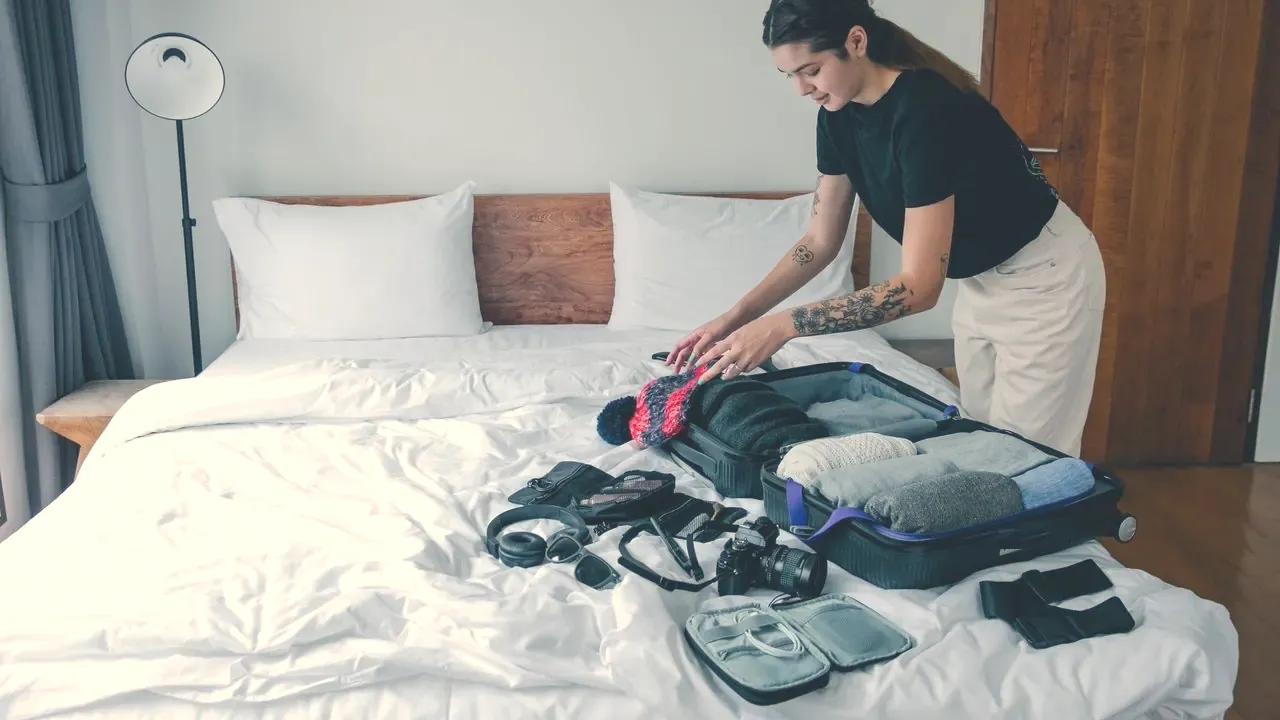
You will not find a cost figure here. Cost is the provider's call, made after the Strathmore home has been inspected, and it rises or falls with the scope of the work. Larger homes and more rooms with activity mean more labor. Crowded rooms take longer to prepare and treat. A neighboring unit that also needs work widens the job. The method matters too: heat concentrates the effort into one long visit in some cases, whereas chemical plans are usually spread over several trips. Once you have a written quote, read what it includes, such as return visits, monitoring cups and mattress encasements, and ask how long it holds. If a lease start or move-out date is fixed, mention it early so the provider can say whether that schedule is realistic.
Bigger homes take more of everything: hours, heaters, probes and product. A one-bedroom apartment is a far smaller job than a house with an attic bedroom and a finished basement. The provider measures this at the inspection and builds it into the plan.
Clutter slows everything down. Sorting, bagging and moving belongings take time, and packed rooms are harder to treat thoroughly. Where storage is dense, heat may be recommended because it reaches inside piles; that changes the cost but can spare a return trip.
In a two-family house or apartment building, bed bugs often reach the unit next door, and leaving it out usually leads to a callback. Expect the provider to quote per unit. Landlords with several units should ask how the units will be scheduled together and what written record each tenant will get.
This site sends no one out. The cards gather the facts that are verified for Strathmore and the offices and rules that bear on a bed bug problem there: its ZIP, the other city neighborhood in that ZIP, citywide housing figures, the state registration lookup and the city's rental rules. On the call, give your full address and mention anything the provider should know about access, such as parking, pets or when someone is home.
Strathmore lies almost entirely in ZIP 13207: 97 percent of the neighborhood is in it. Calls from any Syracuse address in this ZIP are connected through this line; give the full street address.
Elmwood is the other official City of Syracuse neighborhood in ZIP 13207, and all of it lies in that ZIP. Calls from Elmwood homes go through this same line.
Syracuse's median home dates to 1948, and 85.5 percent of its housing units were built prior to 1980 (ACS 2024). Older trim and floors leave more gaps for bugs.
Roughly 58 percent of occupied homes in Syracuse are rented. The line is open to renters and owners alike, and the provider will need the complete address.
Syracuse rentals need a Rental Registry Certificate, which requires an interior and exterior inspection by Code Enforcement. No city permit is required for the treatment itself.
Syracuse Property Conservation Code Sec. 27-74 says buildings must be kept free of insect infestation. The city code splits responsibility depending on whether other units are infested; check the code or call Code Enforcement.
New York's DEC registers pest control businesses and certifies applicators. Its NYSPAD lookup confirms both the business registration and the applicator's certification before work starts.
Real Property Law Sec. 235-j: a landlord who learns of bed bugs must notify the tenants above, below and beside within 72 hours in writing. Read the law itself.
Strathmore is an official City of Syracuse neighborhood, 97 percent of it in ZIP 13207. Its households reach a provider via this line; name the neighborhood and your street.
Calls are connected for addresses in Strathmore and the rest of 13207, including Elmwood, plus 13202, 13203, 13204, 13205, 13210, 13244, 13290 and the Syracuse parts of 13208 and 13224. In Syracuse the median build year is 1948, and 85.5 percent of units were put up before 1980. Telling the provider roughly how old your building is and how it is laid out makes the first visit easier to plan.
Strathmore, on the south side of Syracuse, is one of the city's official neighborhoods, and 97 percent of its area falls in ZIP 13207. Bed bugs in a Strathmore home behave as they would anywhere: they settle first near the places people rest for hours, such as beds, sofas and recliners, then work outward into the next rooms. That is where a provider looks first, and the findings decide between heat, chemical work or a mix. While the line is open, an independent local provider answers your call and picks the inspection date.
Westcott is an official City of Syracuse neighborhood in ZIP 13210. A bed bug case there runs the same course as one in Strathmore: inspection, then a plan for treatment, monitoring and a follow-up. Westcott lies entirely in 13210, so give your street address and the call is routed through this line to an independent local provider. The same questions about preparation, timing and follow-up apply.
Elmwood is the other official city neighborhood in ZIP 13207, and all of its area lies in that ZIP. Luggage, secondhand furniture or a visitor's bag can bring bed bugs into any home there. If bugs show up again after a treatment, call the provider who did the work about the return visit first, and keep notes of where and when you saw them. A full inspection should come before any change of method. Elmwood callers use this line too, and the visit date is up to the provider.
Brighton is an official City of Syracuse neighborhood, and nearly all of it is in ZIP 13205. Bed bugs reach homes there by the same routes as elsewhere in the city: trips, used furniture, houseguests staying over and rental units sharing walls. Renters can put any signs in writing to the landlord and check a building on the city's Look Before You Rent map. This line sends calls from Brighton addresses on to an independent provider working locally.
These three situations are illustrations made up for this page. They are not records of real jobs, and nobody is promising an outcome. Each starts as what seems a minor problem and shows the questions worth putting to a provider and the steps that usually follow.
Example: the owner of a two-family house in Strathmore gets a message from the downstairs tenant about bites. A hardware-store spray appeared to help for several weeks before the bites returned. Here a provider would normally inspect both units, not just the one that reported the problem, since bugs can travel through walls, floors and ceilings. Should the upstairs unit show activity as well, both may be covered, with void treatment where suitable, interceptor cups under each bed and a follow-up two to three weeks on. New York Real Property Law Sec. 235-j sets a 72-hour written notice rule for neighboring tenants; the owner should read it. Request a written report listing products, rooms and follow-up findings.
Example: for about two months, a family in Elmwood has been waking up with bites. They have already put one mattress out on the curb and the bites kept coming. With a baby in the house, the parents want to keep pesticides out of the nursery if they can. A provider facing this would likely talk about heat for the bedrooms, steam for the crib frame, encasements for the remaining mattresses and monitors to track what happens. Good questions for the parents to ask: which method goes in which room, how many hours the family needs to be away, what has to be moved out before the heat goes on and when the follow-up is booked. The broader lesson is to let the inspection happen before discarding more furniture.
Example: a tenant in a Brighton apartment moves out after reporting bed bugs, and the landlord has about ten days until the next lease begins. An empty unit is the simplest to inspect, so a provider would probably begin there and then ask to check the neighboring apartments on each side, above and below. Heat or a chemical plan follows, with monitors left in place. The landlord will want to know whether ten days is enough, what to tell the incoming tenant and when the follow-up is scheduled; an honest provider will say so if the window is too short. Keep in mind the state's 72-hour written notice rule for neighboring tenants under Real Property Law Sec. 235-j, and file the treatment records with the property's Rental Registry paperwork.

A Strathmore landlord had one unit sprayed by another company after a tenant reported bites, and the neighboring tenant now has them too. On the call, the provider will likely ask about each unit in the building, propose an inspection around the shared walls and explain when a follow-up visit takes place. A written report is useful with tenants, though nobody can promise an outcome without an inspection.
Three weeks after treatment, an Elmwood family renting an apartment finds a bed bug on a pillow and would like the next round to lean less on pesticides. The provider who did the first job should hear about it first, since a return visit may already be in the plan. On the call, ask about heat or a mixed approach, what preparation it needs and which furniture can be saved. A new inspection comes before any new plan.
A renter in Brighton has new bites every morning and no answer yet from the landlord. Putting the report in writing, with dates and photos, is the first step. The renter can call this line to reach a provider and discuss an inspection, although treating a rental generally requires the landlord to cooperate. The city's Look Before You Rent map shows a property's Rental Registry status.
The weather outdoors shifts with the months, yet bed bugs inside a heated home are unaffected: they have no season. The calendar matters for a different reason: it shapes when people travel, host guests, move house, sign leases and buy used furniture, which are the moments bugs get carried in. Here is what each stretch of the year usually brings to a Strathmore household, with one practical check for each.
Spring cleaning moves things that sit still all winter: stored blankets, heavy furniture, the mattress itself. That makes it a good moment to spot stains, shells or live bugs that went unnoticed. In an occupied home bed bugs never hibernate, so anything you find is likely an ongoing problem rather than an old one.
Vacations, family visits and yard sales keep luggage and furniture moving in summer. The Onondaga County Health Department notes bed bugs travel in bags and luggage, and a secondhand dresser is just as easy a ride into a Strathmore home.
New leases, moving trucks and backpacks returning from school put a lot of belongings on the move in autumn. That does not make it bed bug season; it just adds chances for bugs to switch homes. After any move, give mattresses and couches a careful check.
Long indoor evenings and holiday visitors are part of winter in many homes, and a warm house keeps bed bugs feeding at their usual pace through the cold months. Spare rooms and sofas where guests slept are worth checking once visitors leave.
Beyond Strathmore, the line takes calls from 13202, 13203, 13204, 13205, 13207, 13210, 13244, 13290 and the Syracuse parts of 13208 and 13224, with neighborhoods such as Downtown, Hawley-Green, Tipp Hill, Brighton, Westcott and Salt Springs among them. Owners whose rentals span several of these neighborhoods can give every address on one call.
Bed bug work rewards specialists. A provider used mostly to ants or mice may not think about the unit next door, a basement full of boxes or the need for a second visit, and the gap shows weeks later when bites return. Put these five questions to whoever you are connected with before signing, and compare the answers.
New York's Department of Environmental Conservation registers pest control businesses and certifies applicators. Ask for the provider's DEC business registration and the applicator's certification number, check both in DEC's NYSPAD lookup and find out who will carry out the treatment.
Yes, ideally. The county health department notes bed bugs can find their way through walls, floors and ceilings, so a plan limited to your unit leaves a gap. If neighbors are not included, ask the provider how they will know the bugs are not living next door.
Expect each product to be named, along with the rooms it will be used in and how long people and pets need to keep away. If you hear only talk of a special secret mix, keep asking before you book. This is also the time to mention pregnancy, asthma or allergies in the household.
Usually about two weeks after treatment, because eggs that survived the first round hatch by then. Ask whether the quote already covers that visit, how many follow-up trips the plan includes overall and the next step should live bugs appear at one of them.
You should, and it is worth asking before you book. The record should show the date, each room treated, what was applied and what the return visit found. Landlords, tenants and future buyers sometimes ask for exactly that. Check that the company's DEC registration appears on it too.
Check both numbers first
Local and state rules
Ask to see a copy
Check the city or state text
Check the city or state text
It ranges from a couple of hours to a full day. Chemical work in a small apartment is the quick end. Heating a whole house is the slow end: the provider has to bring every room, including the insides of couches and closets, up to a lethal temperature and keep it there until eggs are dead, moving furniture along the way. Follow-up visits are generally shorter. Once the home is inspected, the provider can give you a schedule for your rooms.
The dependable signs are live bugs, black specks or reddish smears on bedding, and shed skins or pale eggs tucked into mattress seams and frame joints; bites alone are not enough. Carpet beetles and bat bugs can be confused with bed bugs, and a provider can tell them apart. When in doubt, phone the referral line and request an inspection.
Usually for part of the day, depending on the method. During heat treatment nobody stays inside, pets included, and the provider tells you when the house has cooled enough to return. Following chemical treatment, people and pets stay away from treated rooms until the provider confirms the surfaces are dry and the rooms safe. Ask for the timing in advance so you can plan work, school and somewhere for pets to stay.
No fixed cost exists; this site quotes none, and the provider works out the cost only after inspecting. Expect it to reflect the home's size, the number of rooms or units with activity, the amount of stored belongings and whether heat or chemicals are used. Ask whether return visits and encasements are included and when the quote expires.
Yes. Eggs that outlast the first round, a neighboring unit nobody treated, or new bugs carried in on furniture or luggage can all start the problem again. The Onondaga County Health Department says there is no one-time quick fix, which is why plans build in return visits and monitoring. Ask what the provider will do if those visits find bugs.
Have a question this page skips? A local provider reached through the referral line can talk it over with you.
Ask the providerYour call passes through a call-tracking service, may be recorded, and is then put through to an independent provider that works in Syracuse. Calls are connected 7 a.m. to 1 a.m. Eastern Time (8 a.m. to 2 a.m. during daylight saving time). Outside those hours you can leave details for a call back. The provider arranges the inspection and sets the price.